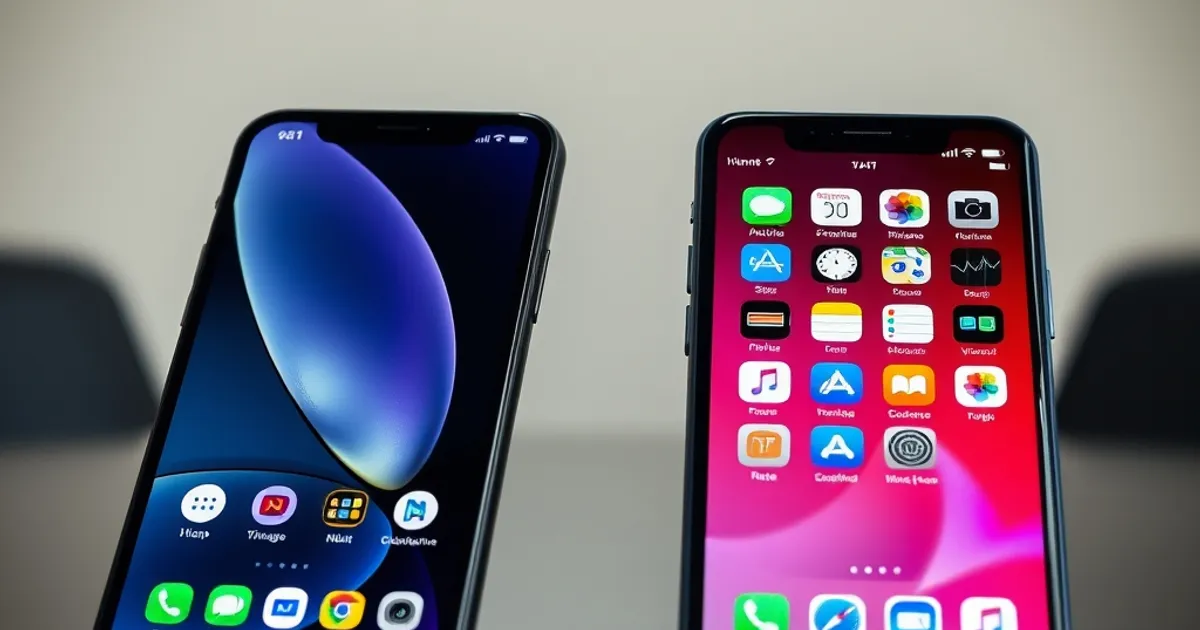
In 2026, the iPhone ecosystem continues to dominate with seamless integration across Apple devices. The iPhone 16 Pro Max, powered by the A18 Pro chip, delivers unmatched performance with a 3nm process, ensuring 20% faster CPU and GPU speeds than competitors. iOS 18 introduces AI-driven features like real-time language translation and advanced photo editing via the Neural Engine. Apple’s tight control over hardware and software ensures minimal fragmentation, with updates rolling out to all supported devices simultaneously. Privacy remains a cornerstone, with on-device processing for Siri and improved App Tracking Transparency.
Android’s ecosystem, led by Samsung’s Galaxy S26 Ultra, offers unparalleled customization and choice. The Snapdragon 8 Gen 4 chip provides comparable performance, while One UI 6.1 enhances user experience with AI-powered tools like Circle to Search and Live Translate. Android’s open nature allows deeper integration with third-party services like Google Assistant and Google Photos. However, fragmentation remains an issue, with updates rolling out at different speeds across brands. The Pixel 9 Pro, with its Tensor G5 chip, excels in AI tasks like real-time call screening and photo enhancement, but lacks the long-term software support of Apple.
Key Insights
When comparing app ecosystems, the App Store leads in quality and security, with stricter vetting processes ensuring fewer malware risks. In 2026, the Google Play Store offers more apps but with varying quality. Apple’s ecosystem benefits from cross-device features like Universal Clipboard and AirDrop, while Android counters with Google’s seamless sync across devices. Gaming performance favors iPhones with titles like *Resident Evil Village* running at higher frame rates on the A18 Pro. Android devices, however, support broader hardware options, including foldables like the Galaxy Z Fold 6, catering to niche preferences.
Smartphone technology evolves rapidly. This guide provides practical information to help you make informed decisions.
Related: iPhone 16 Pro Max Review: Worth the Upgrade in 2026? · Samsung Galaxy S25 Ultra Review: The Android Flagship Benchmark
Practical Tips
For productivity, iPhones integrate effortlessly with Macs and iPads via Continuity features, making them ideal for professionals. Android’s strength lies in multitasking, with Samsung’s DeX mode and split-screen apps enhancing workflows. Battery life is competitive across both ecosystems, but iPhones benefit from optimized hardware-software synergy. In 2026, the choice hinges on priorities: Apple’s polished, secure ecosystem vs. Android’s flexibility and innovation. While iPhones excel in long-term support and ecosystem cohesion, Android’s adaptability and hardware diversity make it a strong contender for power users and tech enthusiasts.
External resource: PhoneArena
← Back to Blog